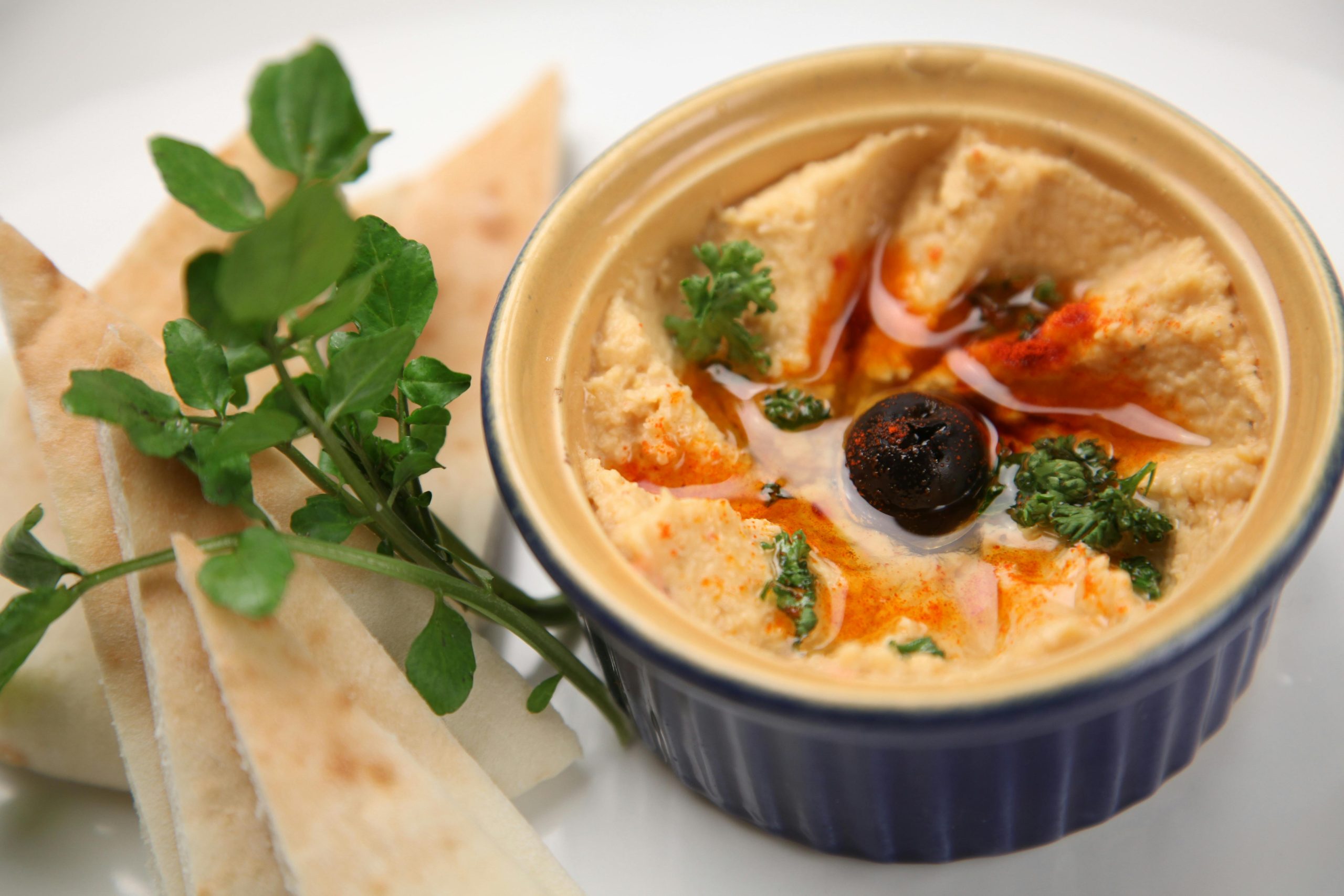
The Mediterranean diet has captivated health enthusiasts and food lovers alike for decades, offering a delicious and sustainable path to improved well-being. Rooted in the traditional eating patterns of countries bordering the Mediterranean Sea, this dietary approach emphasizes whole foods, healthy fats, and a lifestyle that celebrates fresh, seasonal ingredients.
Health Benefits That Make a Difference
Research consistently shows that following a Mediterranean diet can lead to remarkable health improvements. Studies have linked this eating pattern to reduced risk of heart disease, stroke, type 2 diabetes, and certain cancers. The diet’s emphasis on anti-inflammatory foods and antioxidants helps protect against chronic diseases while supporting brain health and cognitive function.
One of the most compelling aspects is its impact on longevity. People in Mediterranean regions known as “Blue Zones” often live longer, healthier lives, attributed in part to their traditional dietary habits. The diet also supports healthy weight management without requiring restrictive calorie counting, making it a sustainable long-term lifestyle choice.
Signature Foods of the Mediterranean Diet
At the heart of this eating pattern are wholesome, nutrient-dense foods that are as delicious as they are nutritious:
• Olive Oil: The cornerstone of Mediterranean cooking, extra virgin olive oil provides healthy monounsaturated fats and powerful antioxidants.
• Fresh Vegetables and Fruits: Tomatoes, leafy greens, eggplant, peppers, citrus fruits, and berries feature prominently in daily meals.
• Whole Grains: Farro, bulgur, quinoa, and whole grain bread provide sustained energy and fiber.
• Legumes and Nuts: Chickpeas, lentils, almonds, and walnuts offer plant-based protein and healthy fats.
• Fish and Seafood: Consumed several times weekly, providing omega-3 fatty acids essential for heart and brain health.
• Moderate Dairy: Primarily yogurt and cheese, often from goat or sheep milk.
• Herbs and Spices: Basil, oregano, rosemary, and garlic add flavor while reducing the need for salt.
Tips for Beginners
Transitioning to a Mediterranean diet doesn’t require a complete kitchen overhaul. Start by making these simple changes:
1. Replace butter with olive oil for cooking and as a bread dip.
2. Fill half your plate with colorful vegetables at each meal.
3. Choose whole grains over refined options like white bread and pasta.
4. Incorporate fish into your weekly menu at least twice, trying varieties like salmon, sardines, or mackerel.
5. Snack on nuts, fresh fruit, or vegetables with hummus instead of processed foods.
6. Use herbs and spices generously to enhance flavor naturally.
7. Enjoy meals slowly and socially when possible, embracing the Mediterranean approach to mindful eating.
8. Limit red meat to occasional consumption, treating it as a side rather than the main event.
The Mediterranean lifestyle extends beyond food choices to include regular physical activity, adequate rest, and social connections. By embracing this holistic approach, you’re not just changing your diet—you’re adopting a time-tested pattern of living that promotes vitality, joy, and longevity. Whether you’re looking to improve your health markers, manage your weight, or simply enjoy more delicious meals, the Mediterranean diet offers a flexible, flavorful path forward.